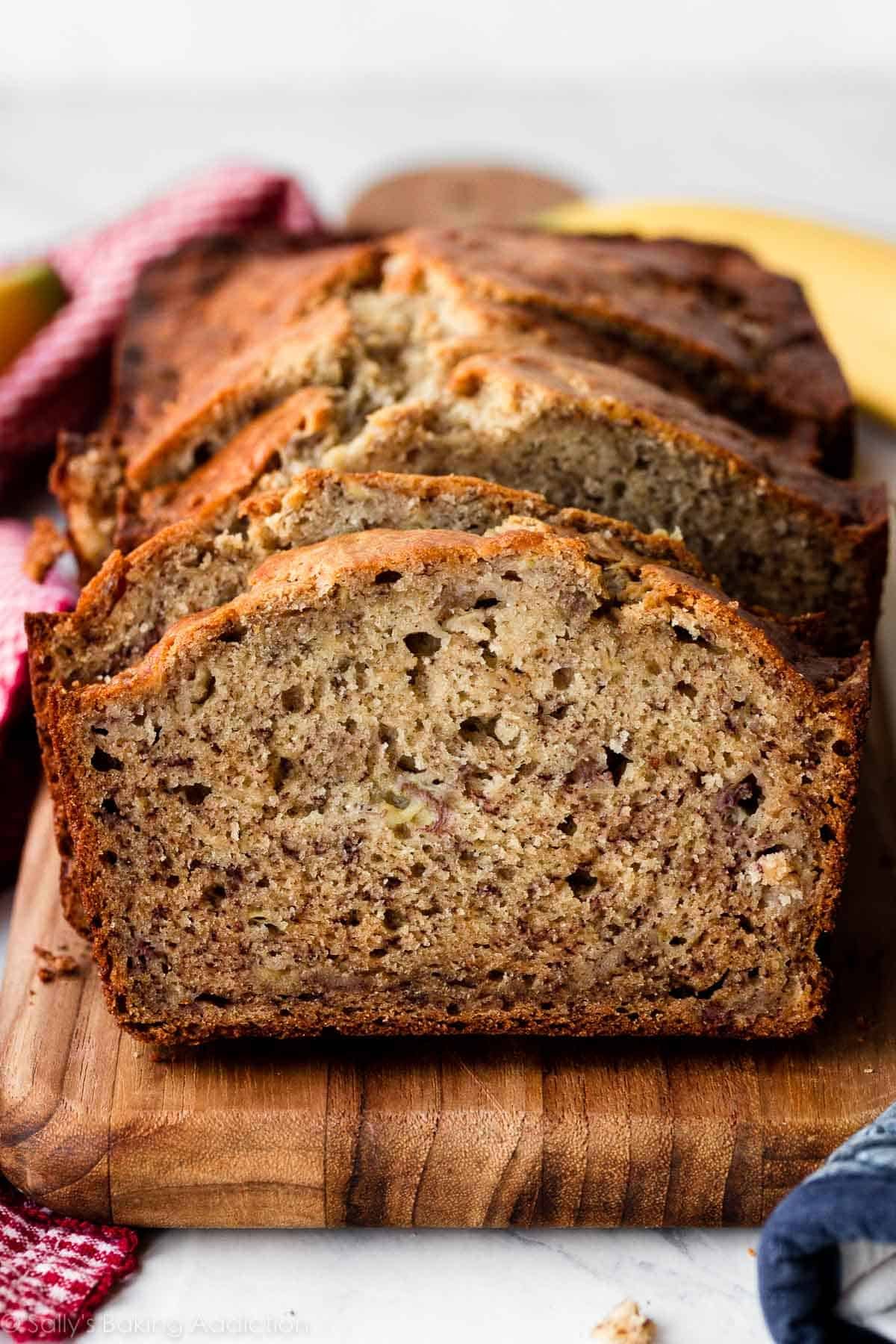
Banana Bread Guide: Best Recipe, Storage, and Freezing Tips
Few aromas evoke such comforting nostalgia as a freshly baked loaf of banana bread. This beloved quick bread, a staple in kitchens worldwide, transforms humble overripe bananas into a tender, sweet, and incredibly moist treat. Whether you’re a seasoned baker looking to perfect your technique or a newcomer eager to bake your first loaf, this comprehensive guide will walk you through crafting the ultimate banana bread, along with expert tips for proper storage and freezing to enjoy its deliciousness for weeks to come. Get ready to bake a loaf that will undoubtedly become your new go-to recipe!
The Ultimate Banana Bread Recipe: Achieving Unrivaled Flavor and Moistness
Our quest for the perfect banana bread begins with a recipe that consistently delivers a moist crumb, rich flavor, and an undeniable banana aroma. This recipe isn't just good; it’s an Allrecipes community favorite, known for being absolutely packed with natural banana goodness that will have friends and family asking for your secret.
Essential Ingredients for Exceptional Banana Bread
One of the beauties of banana bread is that the ingredients are often already in your pantry. Here’s a breakdown of what you'll need and why each component is crucial:
- All-Purpose Flour: Provides the structural foundation for your bread, giving it shape and body.
- Baking Soda: Our primary leavening agent. When combined with acidic ingredients (like bananas and brown sugar), it creates carbon dioxide, helping your bread rise beautifully and achieve that signature fluffy texture.
- Salt: A small but mighty ingredient that doesn't make the bread salty, but rather enhances and balances all the other sweet flavors, making them pop.
- Unsalted Butter: Creamed butter lends incredible richness, contributes significantly to moisture, and imparts an irresistible depth of flavor.
- Brown Sugar: Sweetens the loaf with a delightful caramel-like note and, crucially, adds more moisture than white sugar due to its molasses content. This is key for that tender crumb.
- Eggs: Act as a binding agent, holding the batter together. They also contribute to the bread's structure, richness, and moisture.
- Overripe Bananas: The star of the show! The more overripe, the better. Look for bananas that are yellow with plenty of brown spots, or even completely black peels, as long as they don't show any mold or off-putting smells. These bananas are sweeter, softer, and provide maximum banana flavor and moisture.
The Secret to Super Moist Banana Bread
The legendary moistness of this banana bread isn't by accident; it's a careful combination of ingredients and technique. As highlighted,
butter, eggs, and brown sugar are power players in moisture retention. Brown sugar, in particular, is hygroscopic, meaning it attracts and holds onto moisture better than white sugar. Furthermore, those beautifully ripe, mashed bananas contribute a significant amount of natural moisture themselves, intensifying the banana flavor.
To truly
Unlock The Secret: Super Moist Banana Bread with Rich Flavor, it’s not just about the ingredients. The baking process plays a vital role. Baking until *just* done – when a toothpick inserted into the center comes out with moist crumbs, not wet batter – prevents over-drying. Once cooled, wrapping the loaf tightly ensures that precious moisture is locked in.
Expert Baking Tips for Perfection
Even a "no-fuss" recipe benefits from a few expert insights to elevate it from good to phenomenal. Here are some tips to help you
Bake Perfect Banana Bread: Expert Tips for Moistness & Taste:
- Choose Your Bananas Wisely: Avoid green or firm yellow bananas. The ideal banana is soft, mushy, and has plenty of brown or black spots. This ripeness translates directly into concentrated sweetness and intense banana flavor.
- Mash with a Fork: Don't overthink it! A simple fork is the best tool for mashing bananas. It leaves small chunks that contribute to texture and flavor throughout the bread.
- Do Not Overmix: After combining wet and dry ingredients, stir *just* until everything is incorporated. Overmixing develops gluten, which can lead to a dense, tough, and chewy loaf rather than a tender one. A few lumps are perfectly fine.
- The Toothpick Test is Your Friend: Start checking for doneness a few minutes before the recipe suggests. Insert a toothpick into the center; if it comes out with moist crumbs clinging to it, your bread is ready. If it comes out with wet batter, continue baking for a few more minutes. Avoid baking until the toothpick is completely clean, as this often means the bread is overbaked and will be dry.
- Adjust for Pan Size: While a 9x5 inch loaf pan is standard, if you're using a smaller pan, be prepared to increase your baking time by several minutes. Conversely, a larger pan might bake quicker.
- Consider Add-ins: For those who love variety, consider folding in a cup of chocolate chips, chopped walnuts, pecans, or a sprinkle of cinnamon for an extra layer of flavor.
Mastering Banana Bread Storage: Keep It Fresh and Delicious
You've successfully baked a beautiful loaf of banana bread – now how do you keep it tasting fresh and moist for as long as possible? Proper storage is key to extending its delicious life.
Room Temperature Storage: The Paper Towel Trick
Banana bread stays wonderfully fresh for about
four days at room temperature when stored correctly. The most effective method involves a simple pantry staple: paper towels.
Here's how to do it:
- Ensure your banana bread is completely cooled before storing. Warm bread will create condensation, leading to sogginess.
- Line the bottom of an airtight container or a large zip-top bag with a fresh paper towel.
- Place the cooled loaf directly on top of the paper towel.
- Cover the top of the loaf with another paper towel before sealing the container or bag tightly.
The paper towels are crucial because they absorb any excess moisture or condensation that might accumulate, preventing the bread from becoming gummy or soggy. This method helps maintain the bread's soft texture and delicious flavor. Store the container in a cool, dry place – a pantry or countertop away from direct sunlight is ideal.
Why to Avoid the Refrigerator
It might seem counterintuitive, but you should generally
avoid refrigerating banana bread. While refrigeration slows spoilage for many foods, it tends to dry out quick breads like banana bread much faster than storing them at room temperature. The cool, dry environment of a refrigerator can quickly diminish its desirable moist texture.
Freezing Banana Bread for Future Enjoyment
One of the best qualities of banana bread is how incredibly well it freezes. This makes it perfect for meal prep, having a quick treat on hand, or using up a surplus of ripe bananas. When stored properly in the freezer, banana bread can maintain its excellent quality for
2 to 4 months.
How to Freeze a Whole Loaf:
- Cool Completely: Just like with room temperature storage, make sure your banana bread is entirely cool before freezing. Any residual warmth can lead to ice crystals and freezer burn.
- Wrap Tightly in Plastic Wrap: Encase the entire loaf snugly in a layer of plastic wrap. This first layer is vital for preventing air exposure.
- Add a Layer of Aluminum Foil: For extra protection against freezer burn, wrap the plastic-wrapped loaf again with a layer of heavy-duty aluminum foil. This double layer creates an excellent barrier.
- Label and Date: Use a permanent marker to label the foil with the baking date.
Freezing Individual Slices:
If you prefer to thaw only a portion at a time, freezing individual slices is an excellent option:
- Slice the completely cooled loaf into desired portions.
- Wrap each slice individually in plastic wrap, then either in foil or place them all in a freezer-safe zip-top bag, ensuring as much air is removed as possible.
- This method is perfect for grab-and-go breakfasts or snacks.
Thawing and Reheating Frozen Banana Bread:
To enjoy your frozen banana bread, simply transfer the wrapped loaf or slices from the freezer to the refrigerator overnight, or let them thaw at room temperature for a few hours. For a warm, freshly baked taste, you can briefly warm slices in a toaster oven, microwave, or a conventional oven (wrapped in foil to prevent drying) until heated through.
Conclusion
From selecting the perfect overripe bananas to mastering the delicate balance of ingredients, and finally, to employing smart storage and freezing techniques, this guide provides everything you need to bake and preserve the ultimate banana bread. This beloved quick bread is more than just a treat; it’s a canvas for comfort and flavor. By following these tips, you'll consistently create loaves that are not only moist and delicious but also a testament to the simple joys of homemade baking. So grab those spotty bananas, preheat your oven, and prepare to fill your home with the irresistible aroma of the best banana bread you’ve ever made.