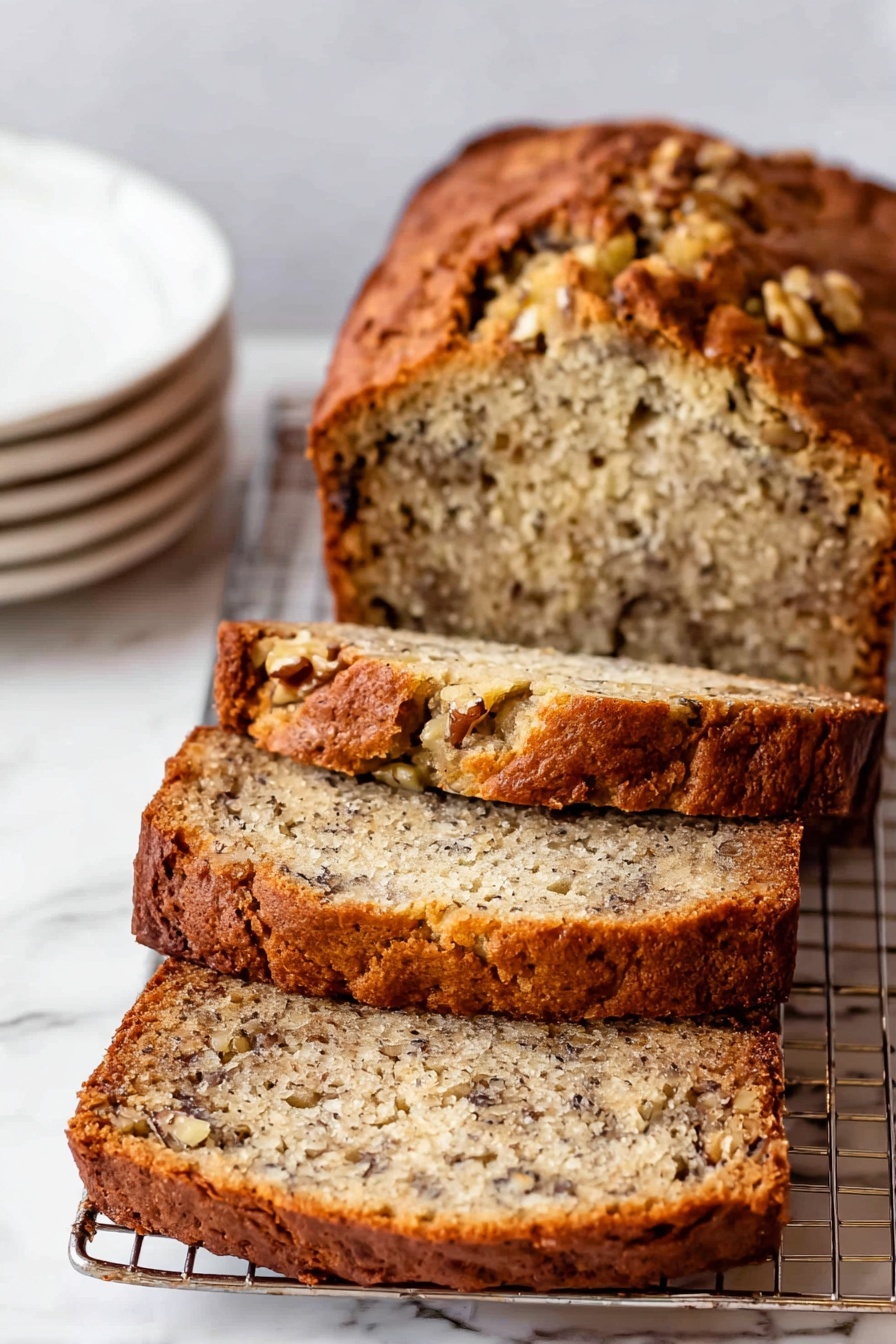
Bake Perfect Banana Bread: Expert Tips for Moistness & Taste
There are few culinary delights as universally cherished as a warm, fragrant loaf of banana bread. Its comforting aroma filling the kitchen, its tender crumb, and its rich, sweet flavor evoke a sense of home and happiness. But achieving that truly *perfect* loaf – one that boasts exceptional moistness and an abundance of banana flavor – can feel like an elusive art. Fear not, home bakers! This comprehensive guide unlocks the secrets to transforming simple ingredients into an irresistible masterpiece. Whether you're a seasoned baker or just starting, these expert tips will elevate your banana bread from good to truly unforgettable.The Foundation of Flavor: Choosing Your Ingredients Wisely
The journey to perfect banana bread begins long before you even preheat your oven. The quality and type of your ingredients play a crucial role in the final taste and texture. Don's skimp on these foundational elements!- The Star: Overripe Bananas. This is perhaps the most critical ingredient. Forget those firm, bright yellow bananas! For superior banana bread, you need fruit that's past its prime – think yellow skins speckled with plentiful brown spots, or even entirely black. Why? As bananas ripen, their starches convert to sugars, intensifying sweetness and developing a deeper, more complex banana flavor. They also become softer and release more moisture, contributing significantly to that coveted moist crumb. While black peels are ideal, always ensure there's no visible mold or an off-putting fermented/alcoholic smell. If you're short on time, placing bananas in a paper bag with an apple can help speed up the ripening process.
- Flour: The Structural Backbone. All-purpose flour provides the necessary structure for your loaf. The key here isn't just about what you use, but how you handle it. Overworking the flour can develop gluten excessively, leading to a tough, dense banana bread rather than a tender one.
- Leavening Power: Baking Soda. This unassuming powder is essential for helping your banana bread rise. Baking soda reacts with acidic ingredients (like the ripe bananas and brown sugar) to create carbon dioxide bubbles, giving your loaf its light and airy texture.
- A Pinch of Salt: Flavor Amplifier. Don't skip the salt! A small amount won't make your bread salty; instead, it enhances all the other flavors, particularly the sweetness of the bananas and sugar. If you're using salted butter, you might slightly reduce the added salt.
- Richness and Moisture: Butter. Butter is a powerhouse ingredient, lending richness, a delightful aroma, and incredible moisture. Using unsalted butter allows you to control the exact amount of salt in your recipe. For best results, ensure your butter is softened to room temperature, which allows it to cream better with sugar and emulsify smoothly with other ingredients.
- Sweetness and Depth: Brown Sugar. While white sugar certainly sweetens, brown sugar is a secret weapon for moist banana bread. Its molasses content adds not only a warm, caramel-like flavor but also significantly more moisture than white sugar. Again, room temperature is ideal for creaming it with butter.
- Binding Agent: Eggs. Eggs play multiple roles: they act as a binding agent, holding the batter together, and contribute to the bread's structure and moisture. Like butter, using room temperature eggs helps them incorporate more smoothly into the batter, leading to a more uniform final product.
For an extra layer of flavor, consider adding a touch of warm spices like cinnamon, nutmeg, or a splash of vanilla extract. And if you're feeling adventurous, mix-ins like chocolate chips, walnuts, or pecans can elevate your loaf even further!
Mastering Moistness: Secrets to a Tender Crumb
The hallmark of truly exceptional banana bread is its moist, tender crumb. Achieving this requires attention to detail at several key stages of the baking process.- The Synergy of Moisture-Rich Ingredients: As we discussed, overripe bananas are packed with natural moisture. When combined with the butter and brown sugar (especially its molasses content), these ingredients create a highly hydrated batter. This inherent moisture is your first line of defense against dry bread.
- The Gentle Mix: Avoiding Overworking. This is perhaps one of the most crucial tips: do NOT overmix your batter. Once you've added the dry ingredients to the wet, stir only until they are just incorporated. Overmixing develops the gluten in the flour, making your banana bread dense, tough, and chewy instead of light and tender. A few small lumps of flour are far better than an overmixed batter.
- Baking to Perfection: The Doneness Test. Overbaking is the single greatest enemy of moist banana bread. Start checking your bread a few minutes before the recipe's minimum bake time. The most reliable test is the toothpick method: insert a toothpick into the center of the loaf. It should come out with moist crumbs attached, but not wet batter. If it comes out completely clean, your bread is likely overdone. Remember, the bread continues to cook slightly even after it's removed from the oven (carryover cooking), so pulling it out just a touch early can be beneficial. Look for a golden-brown crust and edges that have started to pull away from the pan.
Expert Techniques for an Unforgettable Loaf
- The Art of Mashing: For perfectly textured banana bread, the best and easiest way to mash your overripe bananas is with a fork. This leaves a few small lumps, which contribute to a lovely texture and bursts of banana flavor throughout the loaf. No need for a food processor!
- Pan Perfection: Most banana bread recipes, including many community favorites, call for a standard 9x5-inch loaf pan. This size helps ensure even baking. If you have a slightly smaller pan, it's perfectly fine to use, but be prepared to increase the baking time by a few minutes. Always ensure your pan is properly greased and floured, or lined with parchment paper, to prevent sticking.
- Cooling Right: Locking in Moisture. Once your banana bread is out of the oven, allow it to cool in the pan for about 10-15 minutes before carefully inverting it onto a wire rack to cool completely. Cooling completely on a rack allows air to circulate, preventing the bottom from getting soggy. Once it's completely cool, the real magic happens for moisture retention: wrap the loaf tightly in plastic wrap, then an additional layer of aluminum foil. This seals in all that delicious moisture.
- Storage Smarts: Keeping it Fresh. Your perfectly baked banana bread will stay fresh and moist for about 4 days at room temperature. To prevent sogginess while keeping it soft, place a paper towel at the bottom of an airtight container or zip-top bag, set the cooled loaf on top, and then cover it with another paper towel before sealing. These paper towels absorb any excess moisture, creating an ideal environment. Store in a cool, dry place. Avoid refrigerating banana bread, as the fridge environment can surprisingly dry it out more quickly. For more in-depth advice on keeping your loaf perfect, delve into our Banana Bread Guide: Best Recipe, Storage, and Freezing Tips.
- Freezing for Future Enjoyment: Did you know banana bread freezes exceptionally well? It's a fantastic way to enjoy your homemade treat months down the line. To freeze, wrap the *completely cooled* loaf tightly in plastic wrap, then add a layer of aluminum foil. For added convenience, you can also slice the loaf before freezing, wrapping individual slices for quick thawing. Frozen banana bread maintains its excellent quality for 2 to 4 months. Enjoying perfectly moist banana bread whenever the craving strikes is easier than ever when you Unlock The Secret: Super Moist Banana Bread with Rich Flavor through proper preparation and storage.
